Quick Answer
No, all heirs do not always have to agree to sell a house in Florida.
However, whether a property can be sold depends on how the property was inherited and the stage of the probate process. In many cases, the personal representative of the estate has the authority to sell the property with court approval, even if some heirs disagree.
Disagreements between heirs are common when families inherit property together, and understanding how Florida law handles these situations can help prevent delays, legal conflicts, and costly court proceedings.
Who Has the Authority to Sell an Inherited House in Florida?
In Florida probate cases, the person responsible for managing the estate is called the personal representative.
This person is appointed by the court and receives Letters of Administration, which give them the authority to handle estate assets, including real estate.
The personal representative may be able to sell the home if:
- The will allows it
- The probate court approves the sale
- Selling the property is necessary to pay estate debts
If you are unfamiliar with how probate works in general, you can read our full guide on how probate works in Florida.
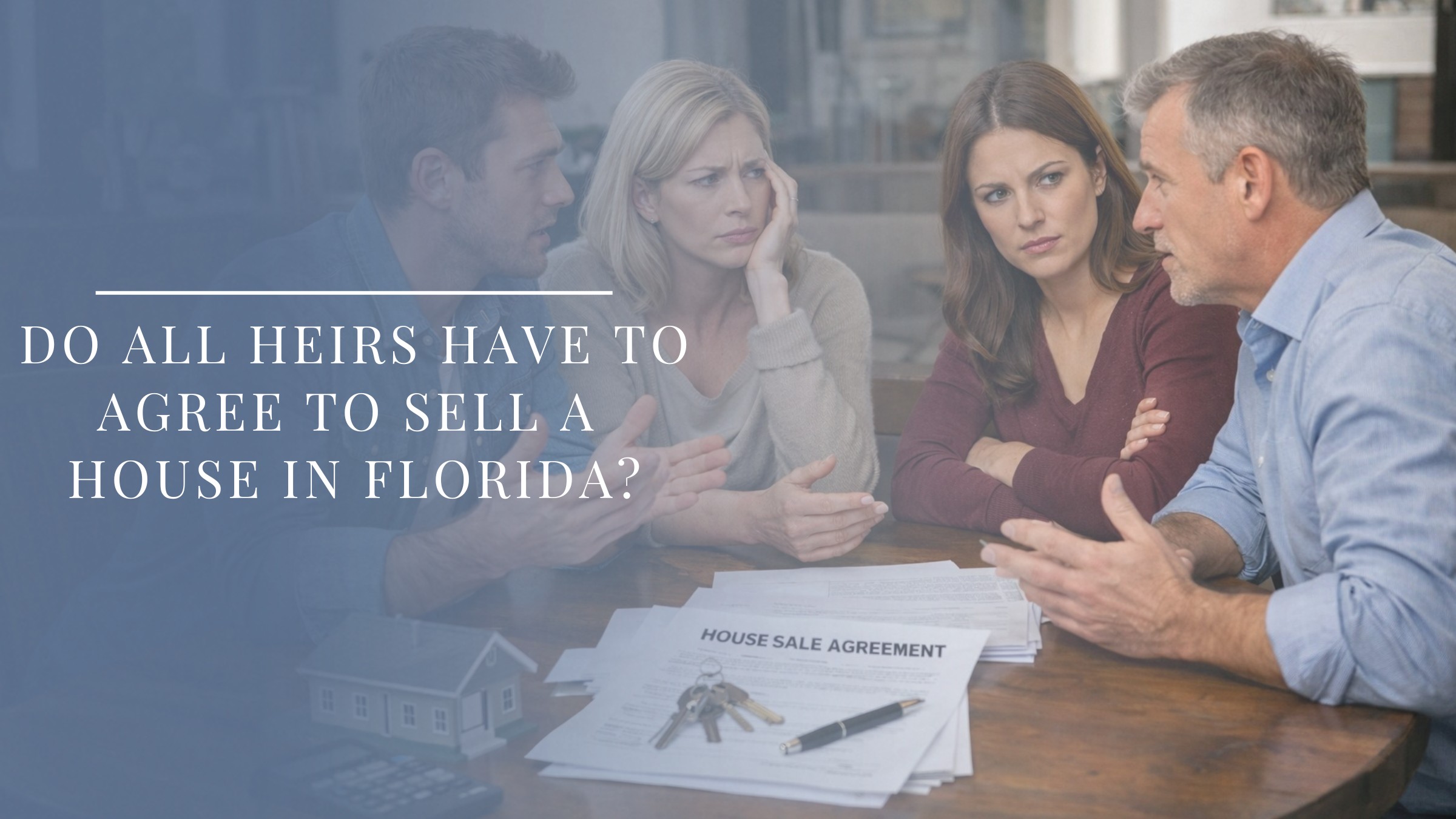
What If Multiple Heirs Inherit the House?
Many inherited homes are left to multiple heirs, such as siblings or children of the deceased.
When that happens, the property usually becomes jointly owned by the heirs after probate is complete.
At that point, decisions about the property must be made together. That includes whether to:
- Sell the property
- Keep it as a rental
- Allow one heir to live in the home
- Buy out another heir’s share
These disagreements often arise while families are already dealing with the stress of probate. If you’re just beginning the process, it can also help to understand how long probate typically takes in Florida.
Do All Heirs Have to Agree to Sell an Inherited House in Florida?
When heirs cannot agree on selling a house, there are several possible outcomes.
1. One Heir Buys Out the Others
Sometimes one heir wants to keep the property and may offer to buy out the other heirs’ ownership shares.
This allows the home to stay in the family while providing the other heirs with their inheritance.
2. The Property Is Sold and Proceeds Are Divided
If all heirs agree to sell, the home can be listed on the market and the proceeds are typically divided according to the will or Florida inheritance law.
Selling an inherited house can involve additional financial considerations, including potential tax implications. You can learn more about those in our guide to taxes when selling an inherited house in Florida.
3. A Partition Lawsuit May Be Filed
If heirs cannot reach an agreement, one heir may file a partition action in court.
A partition lawsuit asks the court to force the sale of the property so that the proceeds can be divided between the owners.
Partition lawsuits can be expensive and time-consuming, which is why families usually try to resolve disagreements before taking that step.
Can a House Be Sold Before Probate Is Finished?
In some situations, the personal representative may be able to sell the property before probate is fully completed, especially if the court approves the sale.
This can happen if:
- The estate needs to pay debts
- The property is vacant and costly to maintain
- The heirs want to avoid ongoing expenses
We explain this process in more detail in our guide to selling a house during probate in Florida.
Florida probate rules can be complex, and each situation is different. Families can learn more about the probate process through the Florida Courts probate resources or consult a Florida probate attorney for guidance.
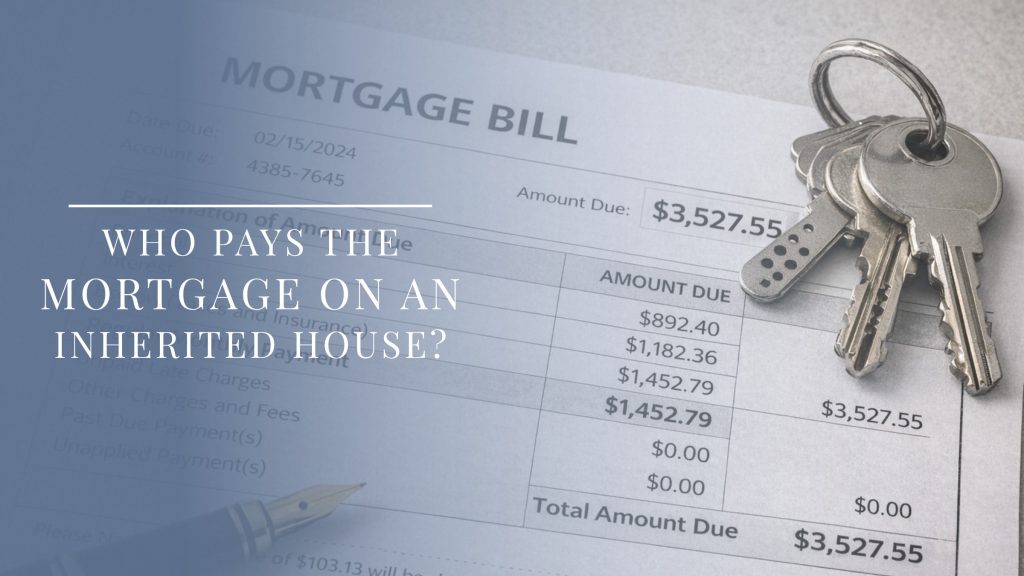
What Happens to the Mortgage on an Inherited House?
Another issue that can complicate disagreements between heirs is the mortgage.
Even after the homeowner dies, the mortgage still must be paid. If payments stop, the lender could begin foreclosure proceedings.
You can read more about how this works in our article on what happens to a mortgage when someone dies in Florida.
What If the Heirs Cannot Agree on Anything?
Unfortunately, disagreements between heirs are very common.
Sometimes heirs disagree because:
- One sibling wants to keep the house
- Another wants to sell quickly
- Someone is living in the home
- The property requires major repairs
In many cases, families decide that selling the home is the simplest way to divide the inheritance fairly.
If you are preparing to sell an inherited home, our guide on how to sell an inherited house in Florida explains the full process step-by-step.
Final Thoughts
In Florida, all heirs do not always have to agree to sell a house. However, disagreements can make the process more complicated, especially once probate is complete and multiple heirs own the property together.
Understanding the probate process, the authority of the personal representative, and the options available to heirs can help families make informed decisions about inherited property.
Questions About Selling an Inherited House in Florida?
Every probate situation is different, especially when multiple heirs are involved. If you’re unsure what your next step should be, SWFL Estate Solutions can help you understand your options and coordinate the process.
Reach out today for guidance on selling an inherited home in Southwest Florida.

Justin Murphy is a Southwest Florida real estate professional and co-founder of SWFL Estate Solutions. He focuses on helping families manage inherited and estate properties throughout the region, especially when the process involves probate, multiple heirs, or out-of-state ownership. Justin works directly with families to coordinate the transition of estate property—from preparing the home for sale to navigating the closing process. He lives in Southwest Florida with his family and enjoys helping people find practical solutions during what can often be an overwhelming situation.